
November 8, 2024
Single-Zone vs. Multi-Zone Mini-Splits: Which Do You Need?
Not sure whether to go single-zone or multi-zone? We break down the key differences, costs, and use cases to help you make the right call.
The Core Difference
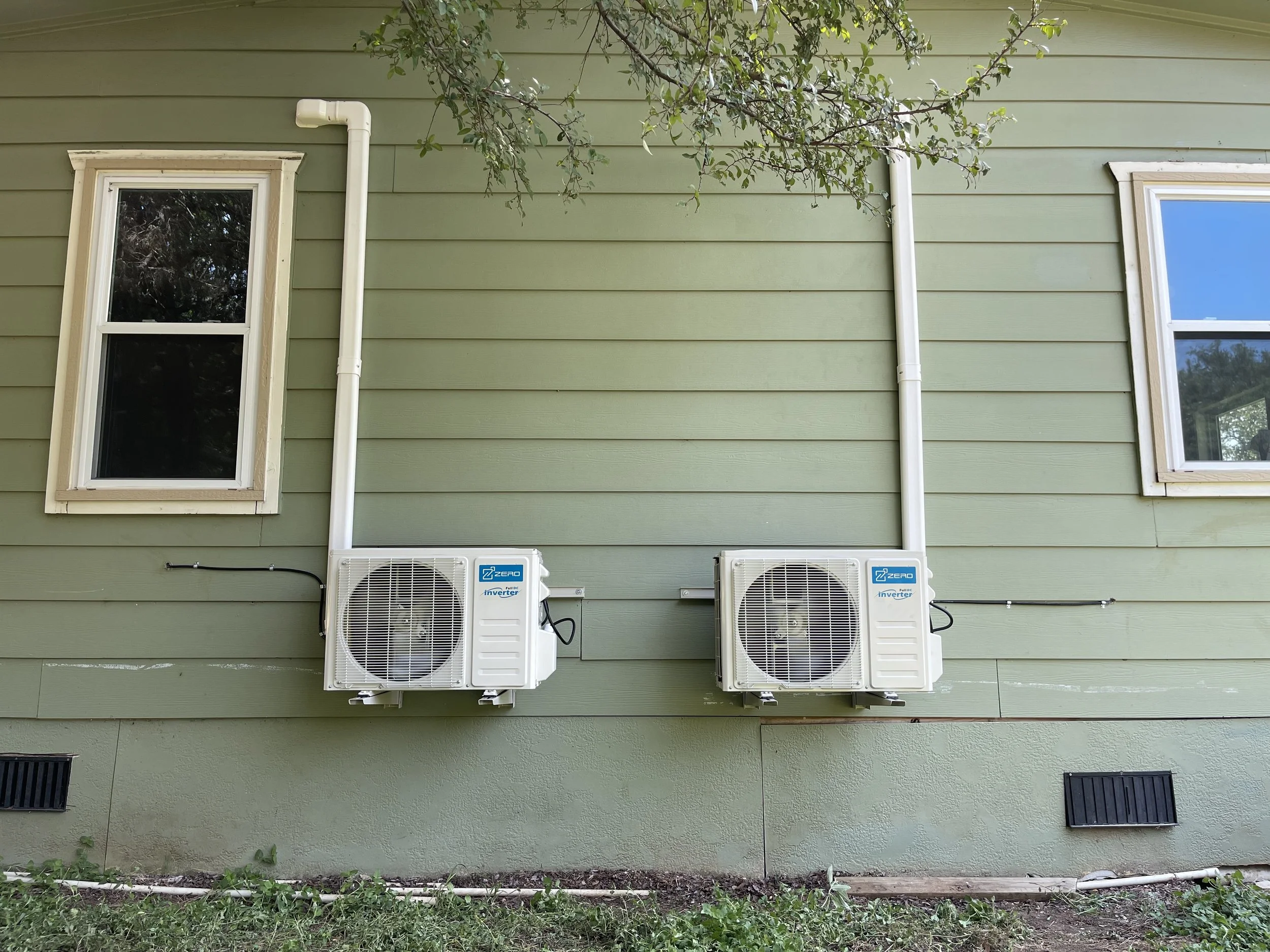
A single-zone system pairs one outdoor unit with one indoor unit — ideal for conditioning a single room or space. A multi-zone system connects one outdoor unit to multiple indoor units, each controlling its own area independently.
Single-Zone: Best For...
- Garages, workshops, and sheds
- Home additions or converted rooms
- Cabins, tiny homes, and RVs
- Any single space that needs dedicated comfort
Single-zone systems are simpler to install and lower in upfront cost. If you only need to condition one space, this is the most efficient choice.
Multi-Zone: Best For...
- Whole-home comfort without ductwork
- Properties with multiple rooms needing independent control
- New construction or major renovations
- Commercial offices and multi-room facilities
Multi-zone systems allow each room to be set to its own temperature, eliminating the "one thermostat for the whole house" problem.
Cost Considerations
Single-zone systems are less expensive upfront. However, if you need to condition 3+ spaces, a multi-zone system is often more cost-effective than installing multiple single-zone units — because you're sharing one outdoor compressor.
Our Recommendation
Start with your current need, but plan for the future. A properly sized multi-zone system installed once is almost always better than adding units piecemeal over time. Contact us for a free consultation and we'll size the right system for your space.