
November 1, 2024
What Is a Mini-Split System and How Does It Work?
New to ductless HVAC? Learn how mini-split systems work, why they're more efficient than traditional systems, and whether one is right for your space.
What Is a Mini-Split?
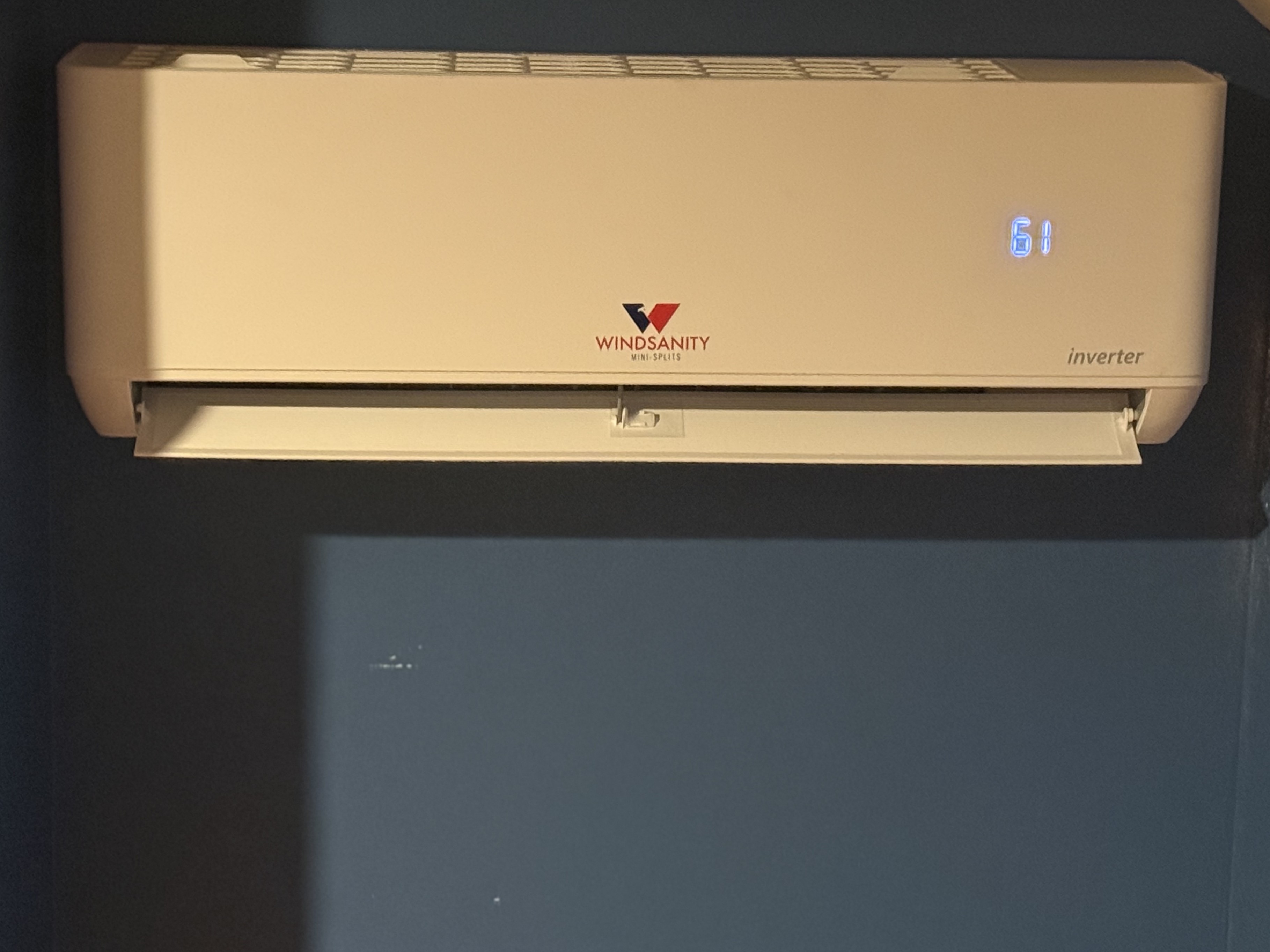
A mini-split (also called a ductless mini-split or ductless heat pump) is a type of heating and cooling system that doesn't require ductwork. It consists of two main components:
- An outdoor compressor/condenser unit
- One or more indoor air-handling units
The two units are connected by a small conduit that houses the refrigerant line, power cable, and condensate drain — requiring only a small hole through the wall.
How Does It Work?
Mini-splits work by transferring heat rather than generating it. In cooling mode, the system absorbs heat from inside your space and moves it outside. In heating mode, it reverses the process — pulling heat energy from the outside air (even in cold weather) and moving it inside.
This heat-transfer method is far more efficient than resistance heating (like electric baseboard heaters), which must generate heat from scratch.
Key Benefits
- No ductwork required — perfect for additions, garages, cabins, and older homes
- Zoned comfort — each unit controls its own area independently
- High efficiency — most systems achieve 2–4x the energy output per watt of electricity used
- Quiet operation — indoor units run at whisper-quiet levels
- Year-round use — both heating and cooling in a single system
Is a Mini-Split Right for You?
Mini-splits are ideal for spaces without existing ductwork, room additions, converted garages, she-sheds, RVs, and any space that needs independent temperature control. If you're unsure, give us a call — we'll assess your space and recommend the right solution.